



★★★★★
“The doctor is knowledgeable. The exercises he gave me to do at home, made a positive affect on my condition. Really grateful!”
Acupuncture Care · Morganville, NJ
Relieve pain, manage stress, and restore harmony with evidence-informed acupuncture from Morganville’s trusted experts. Our team blends traditional technique with modern care so your body can heal naturally — schedule your evaluation today.

Acupuncture is an ancient healing practice rooted in traditional Chinese medicine, focused on balancing the body’s energy flow, alleviating pain, and promoting overall wellness. Our expert acupuncturists utilize time-tested techniques and modern approaches to help patients manage pain, reduce stress, and improve their overall quality of life.
Key Aspects of Acupuncture:
Acupuncture is not just about addressing symptoms; it’s about restoring harmony within the body to promote natural healing. Through the precise placement of ultra-thin needles at specific points on the body, acupuncture aims to stimulate the body’s self-healing mechanisms. Whether you are seeking relief from chronic pain, managing stress and anxiety, or looking to enhance your overall well-being, our dedicated team is here to guide you through your healing journey. By focusing on balancing your body’s energy and promoting natural healing processes, we strive to help you achieve a state of optimal health and vitality.
Time has changed
At Limitless Spine and Joint Care, we believe in a holistic approach to health that is tailored to your specific needs. Our team of experts is ready to guide you on your path to recovery with personalized treatment plans designed to restore your well-being and enhance your quality of life. Don’t wait any longer to start feeling better.
CALL TODAY: (732) 972-6010At Limitless Spine and Joint Care, we stand out by offering state-of-the-art diagnostic tools, same-day appointments, and a collaborative approach that integrates chiropractic and acupuncture services. Our computerized range of motion exams ensure precise treatment planning, providing you with personalized and effective care.
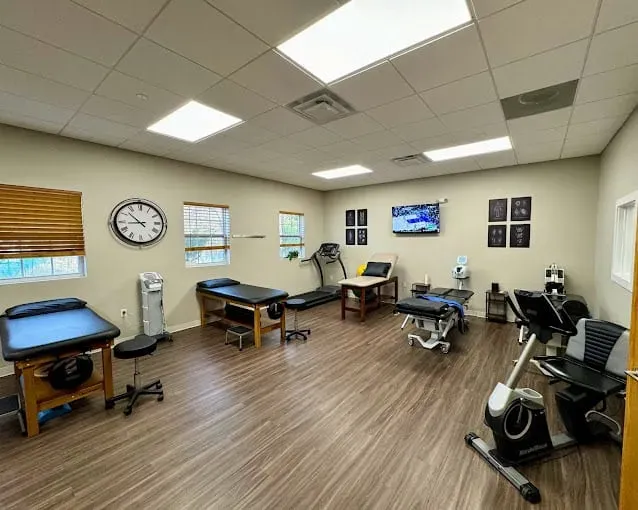
We employ the latest diagnostic technology to ensure precise assessments and effective treatment plans, helping us deliver the highest standard of care.
Our integrated approach combines chiropractic care, physical therapy, and acupuncture to address your health concerns comprehensively, enhancing your recovery process.
Understanding the urgency of your health needs, we offer same-day appointments to provide quick and efficient care, minimizing wait times for our patients.
Relax and unwind during your acupuncture treatment with cupping therapy, infrared heat, calming music, and optional CBD ointment. We strive to make your experience as comfortable and effective as possible.
“The doctor is knowledgeable. The exercises he gave me to do at home, made a positive affect on my condition. Really grateful!”
“Outstanding patient care! The entire staff's priority is making the patient feel comfortable and they all work together to help achieve your goals!!”
Your Path to Balance: Beginning with an in-depth evaluation of your energy flow, we create a customized treatment plan to address your specific concerns. Through a series of targeted sessions, we work to restore harmony, alleviate symptoms, and promote overall wellness.
Understanding Your Health
Your acupuncturist will assess your condition, review your medical history, and examine your tongue and pulse to develop a personalized treatment plan.
Activating Healing Points
The acupuncturist will insert thin, sterile needles into specific points on your body. You may feel a slight sensation, but the procedure is generally painless.
Balancing Energy Flow
You'll rest for 20-60 minutes while the needles remain in place. The acupuncturist may gently manipulate the needles or apply heat or mild electrical pulses to enhance the treatment.
Nurturing Wellness
After needle removal, you'll receive aftercare instructions. Your acupuncturist will discuss follow-up sessions and any lifestyle recommendations to support your healing process.
Time has changed
Not certain if acupuncture is the best option for your condition? Our expert care coordinators are here to help. They can discuss your symptoms, answer your questions, and guide you towards the most appropriate treatment path — potentially with one of our other services. Give us a call today for a free consultation and take the first step towards understanding your options for pain relief and improved mobility.
Call Today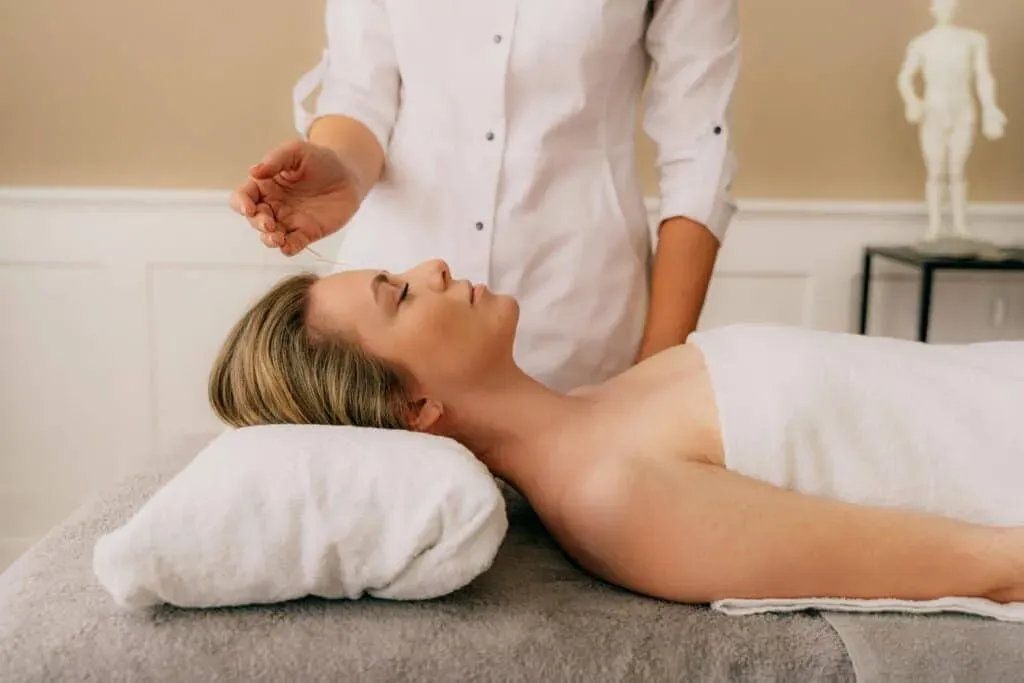
Your Journey to Wellness Starts Here
At Limitless Spine and Joint Care, we are dedicated to providing compassionate, patient-centered care that empowers you to live pain-free and achieve optimal health. Our comprehensive services—including Chiropractic Care, Physical Therapy, and Acupuncture—are designed to address your unique needs and promote healing.
Explore our website to learn about our specialized treatments, read patient testimonials, and understand how our multidisciplinary team can support your recovery. Ready to take the next step? Contact us today or visit our clinic to experience the Limitless difference firsthand. Our location is easily accessible, and we look forward to welcoming you on your journey to wellness!