

Chiropractic
Chiropractic Care
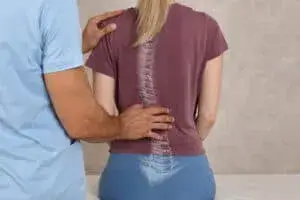
Chiropractic care can help restore proper alignment, reduce nerve irritation or compression, and improve overall nervous system function, which can contribute to neuropathy relief.
Neuropathy Relief in Morganville NJ
Limitless Spine and Joint Care offers comprehensive services for treating neuropathy from diabetic nerve damage, peripheral neuropathy, tingling, and chronic numbness in Morganville, New Jersey. Over the years, we’ve helped countless patients find relief and restore their mobility, providing personalized, quality care that empowers you on your journey to wellness.
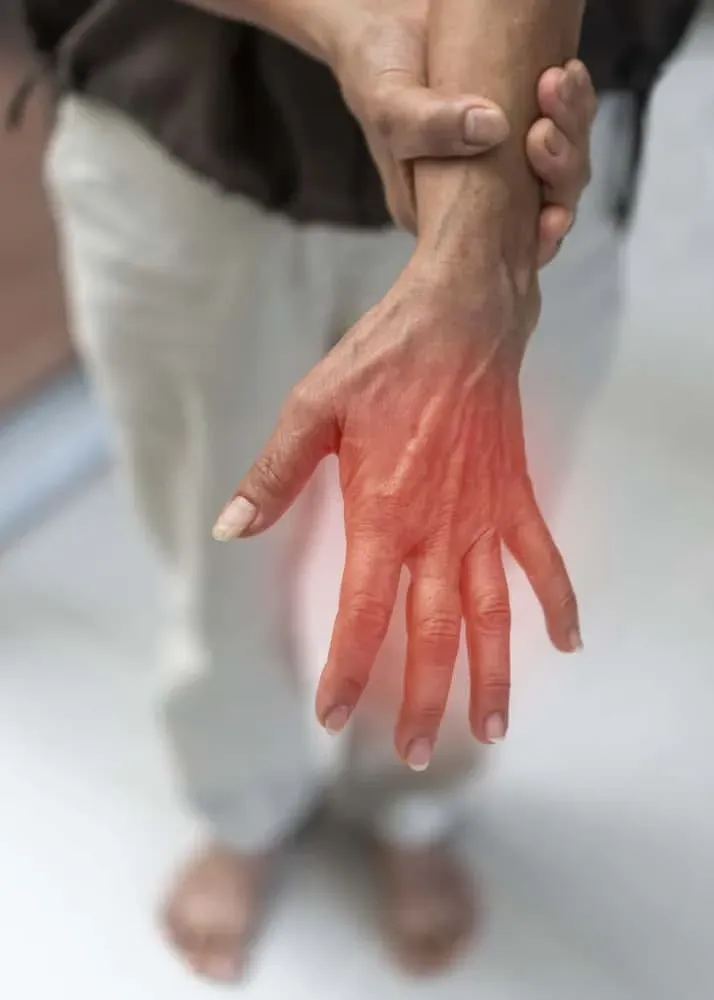
Neuropathy, or peripheral neuropathy, refers to damage or dysfunction of the peripheral nerves, which are the nerves outside of the brain and spinal cord. This can lead to a variety of symptoms, including pain, numbness, tingling, burning, weakness, and balance problems.
Key aspects of Neuropathy:
Left untreated, neuropathy can worsen, leading to chronic pain, increased risk of falls and injuries, difficulty walking or using your hands, and a significant decrease in your quality of life. In severe cases, it can even lead to amputation. At Limitless Spine and Joint Care, our experienced team utilizes a multidisciplinary approach to address the underlying causes of your neuropathy and manage your symptoms. We offer specialized treatments, including physical therapy and chiropractic care to reduce pain and inflammation, improve nerve function, enhance circulation, and promote overall well being. We tailor treatment plans to your specific condition and goals, helping you find relief and regain control of your life.
Our integrated approach combines physical therapy and chiropractic care to provide comprehensive treatment for your neuropathy. These therapies work synergistically to relieve pain, improve nerve function, and enhance your overall quality of life.
Chiropractic care can help restore proper alignment, reduce nerve irritation or compression, and improve overall nervous system function, which can contribute to neuropathy relief.
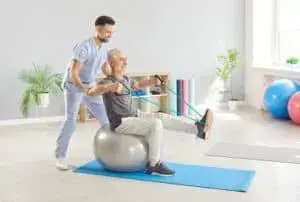
Our physical therapists utilize targeted exercises, balance training, and modalities to improve strength, coordination, and mobility, helping to manage neuropathy symptoms and prevent falls.

“The doctor is knowledgeable. The exercises he gave me to do at home, made a positive affect on my condition. Really grateful!”
Our expert team at Limitless Spine and Joint Care addresses the underlying causes of your neuropathy through personalized treatments, helping you manage your symptoms and improve your quality of life. We offer a comprehensive approach, including targeted therapies and lifestyle modifications, to help you achieve lasting relief and regain your independence.
Schedule Online Today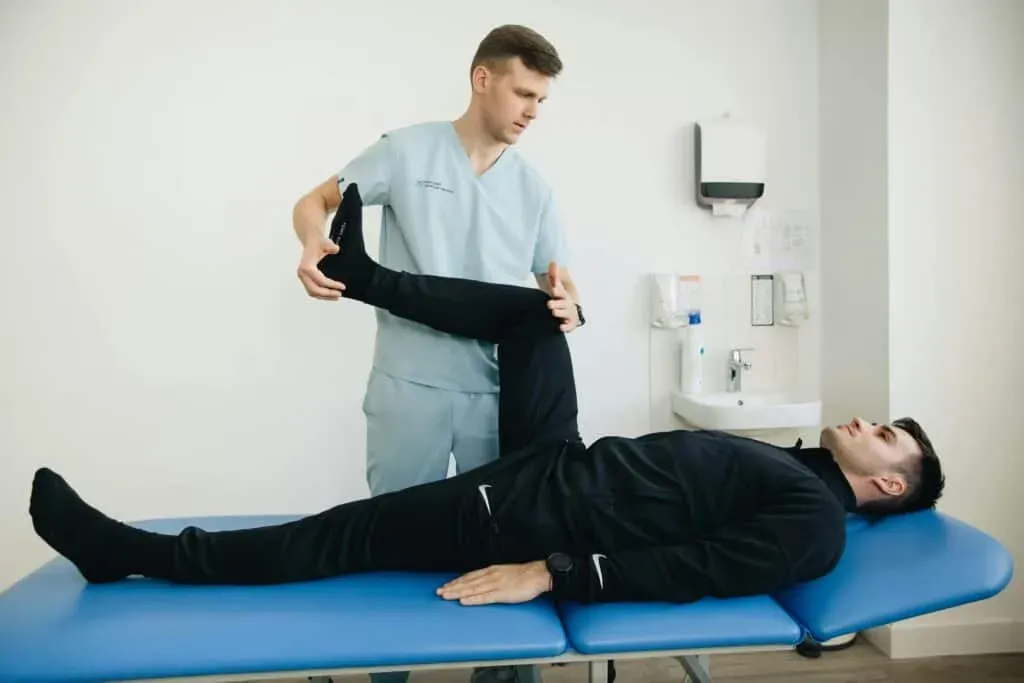
Discover the path to holistic wellness with our personalized care approach. Our expert team is dedicated to helping you achieve optimal health and fitness through tailored treatments and ongoing support.
We evaluate your condition, review your medical history, and perform necessary examinations to understand your specific health issues and develop a tailored treatment strategy.
You begin your customized care plan, which may include a combination of hands-on therapy, exercises, or adjustments, designed to address your unique needs.
We regularly assess your response to treatment and make adjustments as needed, ensuring your care evolves with your improving condition for optimal results.
As you progress, we focus on strategies to maintain your improvements and prevent future health issues, empowering you with tools for lasting wellness.
Neuropathy can be caused by diabetes, injuries, infections, autoimmune diseases, certain medications, nutritional deficiencies, and other conditions. We will conduct a thorough evaluation to help determine the cause of your neuropathy.
The duration of treatment varies depending on the severity and cause of your neuropathy, as well as individual factors. Some patients experience significant relief within a few weeks, while others may require a longer course of treatment. We will discuss your personalized treatment plan and timeline during your initial consultation.
Our treatments are designed to be gentle and comfortable. While some patients may experience mild soreness after their initial sessions, most find the treatments to be pain-relieving and relaxing.
While there is no cure for all types of neuropathy, many patients experience significant symptom improvement and improved function with appropriate treatment. Our goal is to help you manage your symptoms and enhance your quality of life.
We accept most major insurance plans. Our staff will verify your coverage and explain your benefits during your first visit.
During your initial visit, you will undergo a thorough examination, including a review of your medical history and a physical assessment. Based on the findings, we will develop a personalized treatment plan tailored to your needs.
Expert Care for Lasting Relief in Morganville, NJ
Don’t let neuropathy control your life. At Limitless Spine and Joint Care, our personalized treatment plans combine physical therapy and chiropractic care to effectively manage your symptoms. Our goal is to relieve your pain, improve your function, and enhance your overall well-being.