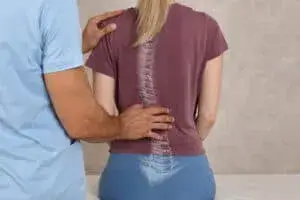
Shoulder Pain Treatment in Morganville

End Shoulder Pain Today and Restore Your Comfort

Non-surgical relief from rotator cuff injuries, frozen shoulder, impingement, and chronic stiffness with integrated chiropractic and physical therapy in Morganville, NJ.

The shoulder is the most mobile joint in the body — and that mobility is exactly what makes it vulnerable. When something goes wrong, almost nothing you do with your arm feels normal. Reaching for a coffee cup, pulling on a seatbelt, rolling over at night, lifting a toddler out of the car seat — shoulder pain has a way of touching everything. At our Morganville clinic, we treat shoulder pain from every angle our patients bring us: weekend warriors with rotator cuff flares, desk workers with impingement and postural tightness, post-surgical patients rebuilding strength, and people over fifty with frozen shoulders that refuse to let go.

Our job is to figure out what the shoulder is actually doing wrong and treat that — which almost always means treating the thoracic spine, scapula, and rotator cuff together, not in isolation.

Understanding shoulder pain

The shoulder is made up of four joints that all need to work together — the glenohumeral joint where most people point when they say “shoulder,” the AC joint on top, the scapulothoracic junction where the shoulder blade glides on the rib cage, and the sternoclavicular joint at the collarbone. When any one of those stops moving correctly, the others compensate, and pain usually shows up somewhere down the chain.

The most common shoulder problems we see at our Morganville clinic:

  • Rotator cuff tendinopathy and tears. The four small muscles that stabilize the ball of the shoulder get overloaded — especially from overhead work, pickleball, tennis, or a fall on an outstretched arm.
  • Shoulder impingement. The rotator cuff tendon gets pinched between bones during arm elevation, producing sharp pain in the arc between sixty and one hundred twenty degrees.
  • Frozen shoulder (adhesive capsulitis). The joint capsule thickens and contracts, producing a painful loss of motion in every direction — especially rotation.
  • AC joint sprains. Typically from falls or contact sports, producing pain right on top of the shoulder.
  • Postural shoulder pain. From rounded posture and a tight, immobile thoracic spine — the shoulder gets blamed for what’s really an upper-back problem.
  • Referred pain from the neck. Cervical disc or nerve root irritation can send pain into the shoulder that feels exactly like a rotator cuff problem.

The reason shoulders are tough to fix with a single modality is that they almost always involve at least two of these at once. A rotator cuff strain in a person with a stiff thoracic spine and a dropped scapula will fail to heal until all three are addressed.

Our multidisciplinary approach to shoulder pain

Our integrated team treats the shoulder, the scapula, and the mid-back as one system.

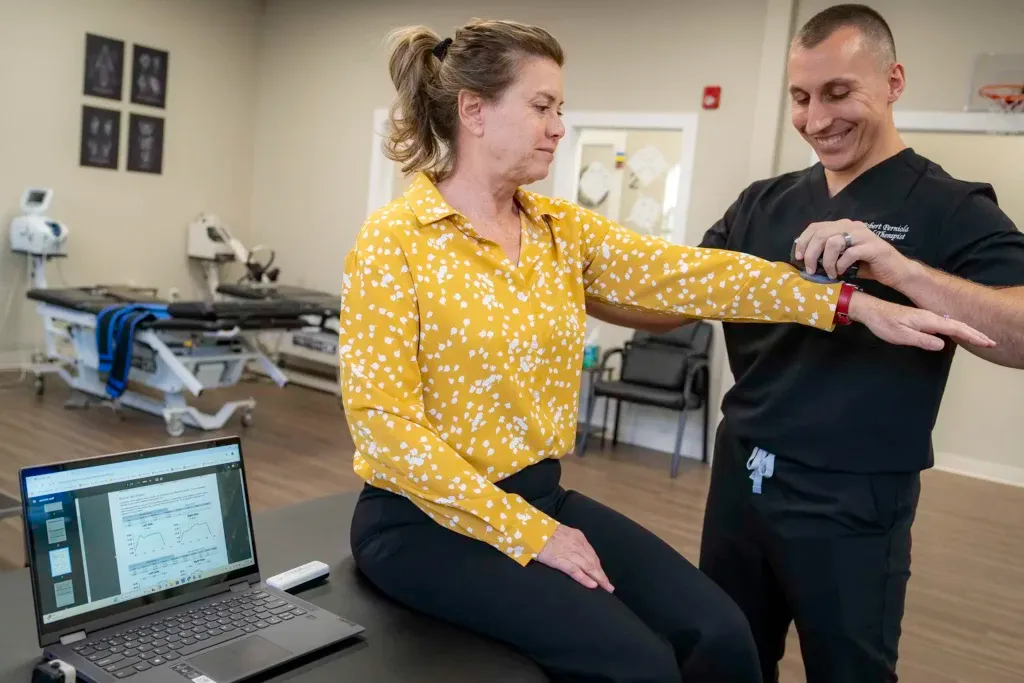
Physical therapy. Dr. Robert Perniola leads most shoulder rehab plans. Early phases focus on pain-free range, scapular control, and activating the rotator cuff without aggravating it. Later phases progress to loaded strength — carries, rows, presses — so the shoulder can handle real life, not just clinic exercises.

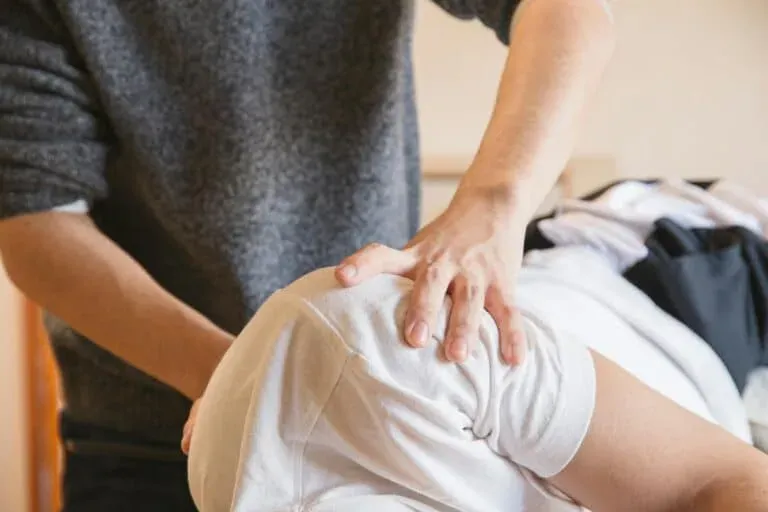
Chiropractic care. Dr. Rick Caban works on the thoracic spine and scapular mobility that almost every shoulder patient needs. Adjustments to the upper back, ribs, and AC joint free up the mechanics that allow the rotator cuff to do its job without overworking.

Soft-tissue therapy. For tight pecs, sticky subscapularis, and the upper trap tension that shadows most shoulder pain.

Acupuncture. Well-targeted for rotator cuff tendinopathy, frozen shoulder, and the deep night-pain that keeps shoulder patients awake.

What to expect on your first visit

We start with a careful history — how it started, whether there was an injury, what makes it better and worse, and whether it wakes you at night. The exam runs through all four shoulder joints, the cervical spine, and the thoracic spine. We test strength in each head of the rotator cuff, stress-test the AC joint, screen for cervical radiculopathy, and watch how your scapula moves (or doesn’t) during arm elevation.

By the end of the visit, you know exactly what’s wrong, what we’re treating first, and what realistic progress looks like. Treatment usually starts the same day.

Return-to-activity progression

Whether you’re trying to get back to tennis, pickleball, swimming, or just sleeping through the night, we build a return-to-activity plan in phases. Pain-free daily use comes first. Then light loaded work — carrying groceries, gardening, golf swings at partial effort. Then full-effort return. Skipping phases is how people re-injure; following the progression is how they stay healed.

When a surgical consult makes sense

Some shoulder cases do need surgical evaluation — full-thickness rotator cuff tears with significant weakness, labral injuries that aren’t responding, and recurrent dislocations. When that’s the right call, we refer to trusted local orthopedic shoulder specialists and we handle the post-operative rehab in-house so your care stays coordinated end to end.

Empowering Your Recovery

Our Multidisciplinary Approach to Shoulder Pain

Three disciplines, one treatment plan, one office. Coordinated care that addresses the cause — not just the symptom.

Physical Therapy

Evidence-based physical therapy in Morganville, NJ for orthopedic injury, sports rehab, and post-surgical recovery. Same-day evaluations; most insurance accepted.

Read more →

Chiropractic Care

Expert chiropractic adjustments and manual therapies to correct misalignments, relieve pain, and enhance your body's natural healing abilities. Experience lasting relief through personalized, evidence-based care.

Read more →

Acupuncture

Licensed acupuncture for pain relief, stress, and inflammation in Morganville, NJ. Integrated with chiropractic and physical therapy under one roof.

Read more →

Personalized Care in Action

Personalized care, in action.

Our team addresses the root cause of your shoulder pain through tailored chiropractic, physical therapy, and acupuncture — not a templated protocol. Same-day appointments usually available.

Schedule Online Today

Your Shoulder Pain Recovery Journey

Discover the path to lasting recovery with our personalized, multidisciplinary care approach.

  1. Comprehensive Assessment

    We evaluate your condition, review your medical history, and run the necessary movement and neurological exams to understand exactly what's driving your pain.

  2. Personalized Treatment

    You begin a customized care plan — chiropractic adjustments, hands-on physical therapy, and acupuncture as needed — designed for your case and your goals.

  3. Progress Monitoring

    We re-assess your response to treatment every two to three weeks and adjust the plan to keep your recovery on the fastest, safest path.

  4. Long-Term Wellness

    As you progress, we shift focus to maintenance — home exercises, posture, and lifestyle strategies that keep the gains and prevent flare-ups.

Frequently Asked Questions About Shoulder Pain

How do I know if my shoulder pain is a rotator cuff tear?

Not every rotator cuff injury is a tear. Most are strains or tendinopathies that look similar on exam but respond very differently to treatment. Our first-visit exam uses the standard orthopedic tests — empty can, drop arm, Hawkins-Kennedy — to sort tendinopathy from partial-thickness tear from full tear. Imaging is reserved for cases that don't fit the expected recovery pattern.

Will my frozen shoulder ever loosen up?

Yes, but it takes patience. Frozen shoulder (adhesive capsulitis) follows a predictable arc: a painful phase, a stiff phase, and a thawing phase that together can last twelve to eighteen months if left alone. With targeted PT, adjustments to the thoracic spine, and acupuncture, we consistently shorten that timeline. The worst thing you can do is stop moving it out of fear.

I hear clicking — should I worry?

Painless clicking usually isn't a structural problem. Clicking with pain, catching, or weakness is different and warrants evaluation. Many clicks come from a scapula that isn't tracking smoothly, which is a retrainable problem.

Is it better to rest or to keep moving?

Almost always: keep moving, within pain-free range. Shoulders lose mobility fast when they're rested, and most shoulder problems get worse with total rest. Your plan will include specific do's and don'ts — overhead pressing is often off the list for a few weeks, while pendulum swings and scapular work stay on it.

Why does my shoulder hurt worse at night?

Most rotator cuff and impingement problems flare at night because the shoulder loses its active muscular support when you relax and lie down. Changing sleep position — a pillow under the arm of the affected side, or sleeping on the opposite side — often takes the edge off while the tissue heals.

Do I need a cortisone shot?

Sometimes — but usually later, not first. Cortisone can be helpful for stubborn cases that aren't responding to conservative care, or as a window of relief to let PT get traction. It's not a substitute for fixing the underlying mechanics. We refer to trusted local orthopedists when an injection is the right call.

How long until I can lift weights again?

Most patients return to full-intensity lifting within six to ten weeks, depending on the injury. Pressing overhead is usually the last thing back; rowing, carrying, and lower-body work come back first. We design a progressive return-to-training plan so you're not white-knuckling your way back.

Expert Care for Lasting Relief

Take Control of Your Shoulder Pain Today

Don't let shoulder pain control your life. We build personalized treatment plans around your case — chiropractic, physical therapy, and acupuncture working from the same goal: getting you back to what you love. Most insurance accepted; same-day appointments usually available.

Visit Our Morganville Office

Discover Limitless Health

Phone Number

(732) 972-6010

Office Hours

  • Mon: 9:00 AM – 7:00 PM
  • Tue: 8:00 AM – 12:00 PM
  • Wed: 9:00 AM – 7:00 PM
  • Thu: Closed
  • Fri: 9:00 AM – 5:00 PM
  • Sat: Closed
  • Sun: Closed

Fax Number

(732) 972-3862